Case Studies

Real campaigns.
Real numbers. Real proof.

Every case study below is from an actual client engagement. We include timelines, specific metrics, and screenshots — because claims without evidence are just marketing.

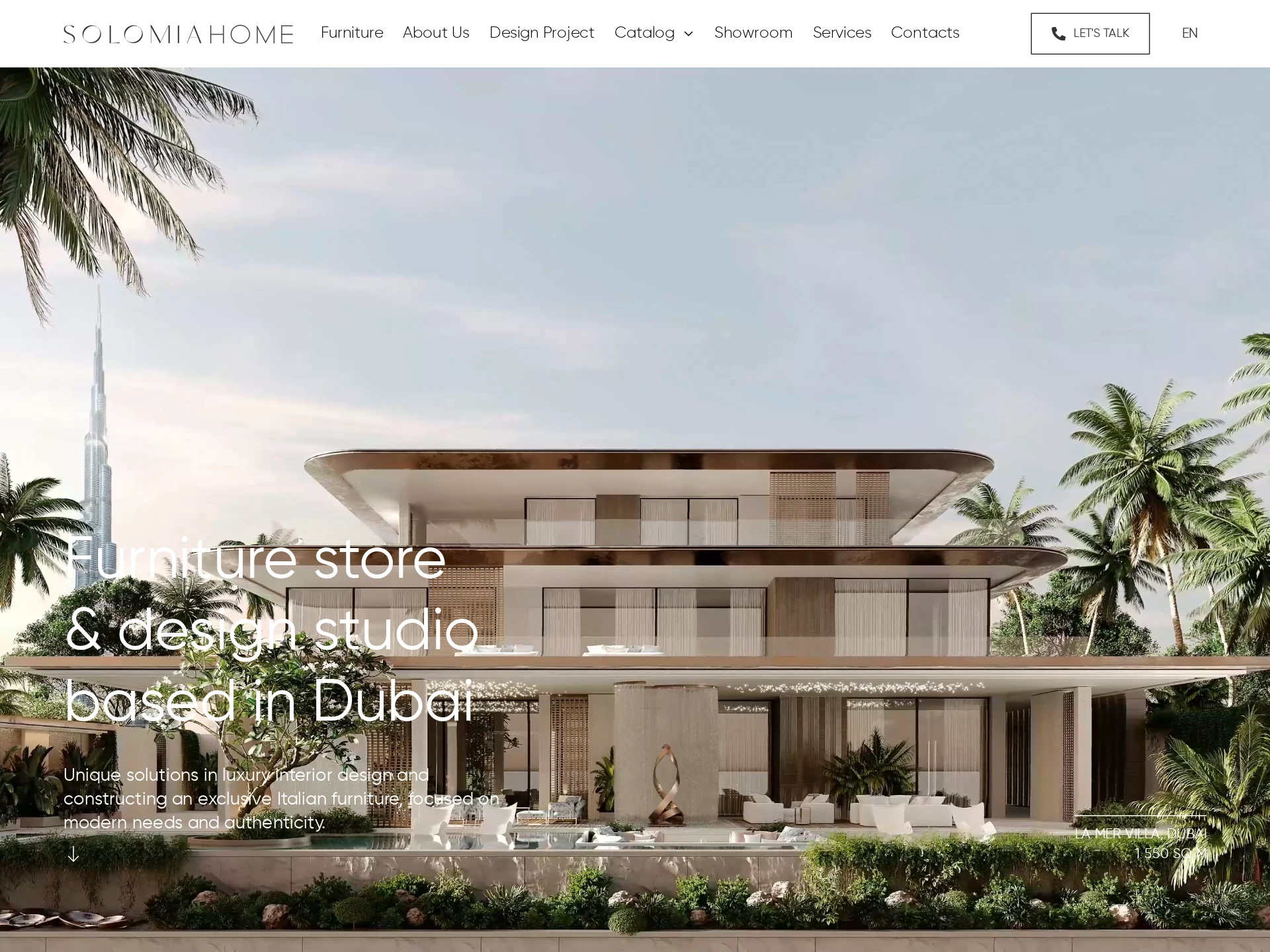
Solomia Home — zero to 47 keywords in top 3

Solomia Home approached us with no meaningful online presence. They had a website, but it wasn't ranking for any commercial keywords. Their competitors dominated search results, and AI platforms like ChatGPT and Gemini had no awareness of their brand.

The challenge

The home goods space is fiercely competitive online. Established players held the top positions for every high-value keyword. Solomia Home needed to build authority from scratch — not just in Google, but across the emerging AI search landscape.

What we did

  • Full technical SEO audit and site architecture overhaul
  • Keyword strategy targeting buyer-intent queries with realistic difficulty scores
  • Content creation program — product pages, category pages, and supporting content
  • Link building campaign through our 500+ website network
  • Local citation building across 60+ directories
  • GEO optimization — structured the brand's digital footprint so AI platforms could discover, understand, and recommend Solomia Home

The results — 12 months

  • 47 keywords ranking in the top 3 positions on Google
  • ChatGPT now recommends Solomia Home for relevant product queries
  • Gemini includes Solomia Home in AI-generated answers
  • Organic traffic became the primary lead generation channel
  • Client remains an active partner today

Solomia Home SEO rankings showing 47 keywords in top 3 positions

Solomia Home appearing in AI search results on ChatGPT and Gemini

312% organic traffic growth — verified campaign

This campaign demonstrates what happens when technical SEO, content, and link building work in concert. The client's site had solid fundamentals but was underperforming relative to its market potential.

The challenge

The client was generating organic traffic, but plateaued. Their competitors were outpacing them in content production and backlink acquisition. Growth had stalled for two consecutive quarters before engaging us.

What we did

  • Technical audit uncovered critical crawl budget waste and indexation issues
  • Restructured internal linking to concentrate authority on money pages
  • Built a content calendar targeting high-intent keywords their competitors missed
  • Executed a targeted link building campaign — real sites, real traffic
  • Weekly optimization based on ranking movement data

The results — 8 months

  • 312% growth in organic traffic — verified via Google Analytics
  • Ranking improvements across 200+ target keywords
  • Revenue from organic channel increased proportionally
  • Client continues to work with us today

Google Analytics showing 312% organic traffic growth over 8 months

Antonovich Design — 10+ years of SEO partnership

Antonovich Design is our longest-running client relationship. Over a decade of continuous SEO work — through algorithm updates, market shifts, and industry changes.

Why this matters

In the SEO industry, the average client-agency relationship lasts 6–12 months. A 10+ year partnership means consistent, compounding results that justify the investment year after year. It means navigating every major Google algorithm update without losing ground. It means trust built through transparency and real performance.

What a decade of SEO looks like

  • Survived and thrived through every major algorithm update since 2014
  • Consistent organic traffic growth year over year
  • Expanded from traditional SEO into GEO as AI search emerged
  • Zero periods of significant traffic loss
  • The same person — Dmytro Verzhykovskyi — has managed their account from day one

The common thread: 100% retention

These aren't our three best clients cherry-picked for a case study page. Every client we've worked with in 14 years is still a client. The retention rate isn't a marketing angle — it's the natural result of delivering measurable ROI every single month.

Learn more about our 100% client retention rate

How to read an SEO case study honestly

Every SEO case study deserves a skeptical read, because the format is easy to dress up and hard to verify. A trustworthy SEO case study names the client, gives real dates, and shows the source of each number, which is exactly what the three above try to do. The fastest way to judge any SEO case study is to ask what was measured, over what period, and against what starting point. A vague SEO case study that claims "up to 500% growth" with no timeline or screenshot is marketing, not evidence. By contrast, a solid SEO case study ties its figures to Google Analytics or a ranking report you could in principle check.

It also helps to read more than one SEO case study before drawing conclusions. A single SEO case study can be a lucky outlier, but a pattern across several tells you whether the process repeats. Notice whether each SEO case study shows the same method applied to different businesses, since repeatability is the real signal. The Solomia SEO case study and the verified 312% campaign came from the same senior-led approach, not from unrelated tactics. When an SEO case study and a long client relationship point the same direction, the evidence gets harder to dismiss. Weigh each SEO case study on durability, not on the size of its headline number.

From there, turn a promising SEO case study into your own forecast. Read our does seo work page for the underlying screenshots, then size the upside with our seo roi calculator using your numbers. If AI visibility is part of why a given SEO case study worked, gauge your own footing with a quick geo readiness check. The point of any SEO case study is not to impress you once but to predict what disciplined work could do for your business.